AI Everywhere: From TV Chatbots to Enhanced AI Studios
Today’s AI news paints a picture of rapid expansion and integration. We’re seeing AI move beyond specialized applications and into everyday devices, along with tools designed to make AI development more accessible. From Samsung TVs getting chatbot integration to Google’s AI Studio revamp and YouTube’s AI-driven content protection, AI is becoming a more pervasive part of our digital lives.
First up, Samsung is making a bold move to bring AI-powered chatbots to your living room. In an exclusive report from Axios, it was revealed that Samsung will be integrating Perplexity AI into select TVs, accessible via an “AI button” on the remote. This move suggests a future where interacting with our TVs involves more than just streaming videos; we might soon be conversing with them to get information, manage our smart homes, and more. This also gives users the option to select Microsoft’s Copilot, reflecting on the rapidly intensifying competition in the chatbot space.
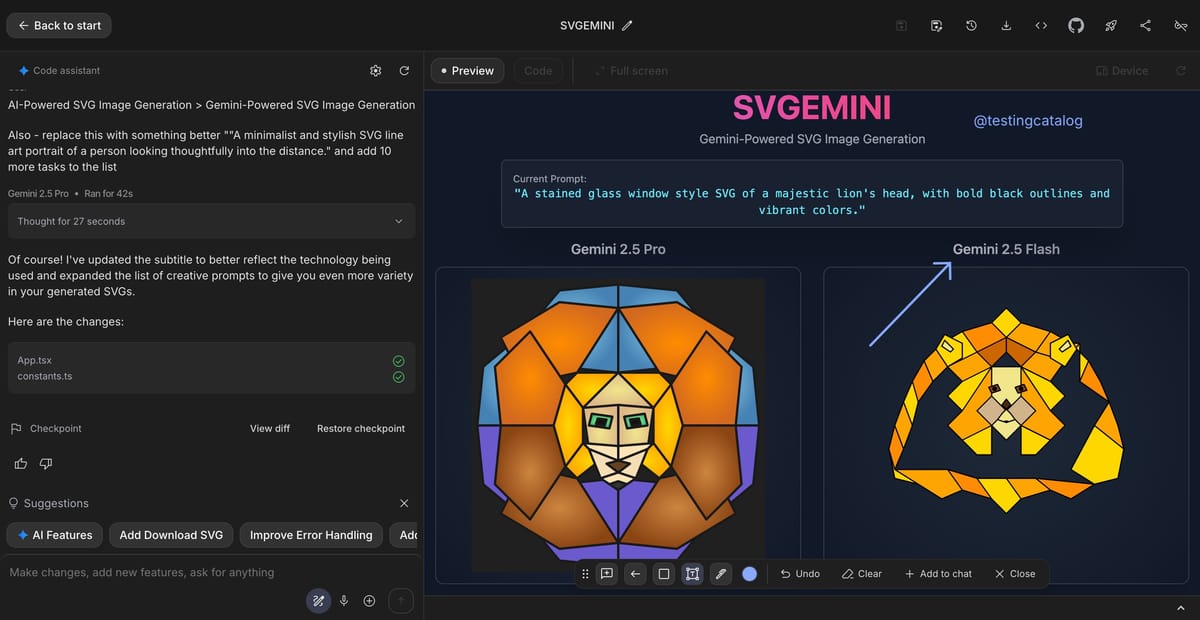
Meanwhile, Google is working to make AI development more accessible. They’ve revamped AI Studio, aiming to lower the technical barrier for entry in AI app prototyping. The updated interface emphasizes ease of use and quick deployment, with features like one-click Cloud Run publishing. This suggests a shift towards “vibe coding,” where developers can rapidly iterate on AI-powered ideas without getting bogged down in complex configurations. This is likely a strategic play to encourage broader adoption of Google’s AI tools and services.
Finally, YouTube is tackling the growing challenge of AI-generated content with its new likeness-detection technology. As AI makes it easier to create deepfakes and other synthetic media, platforms are scrambling to protect creators from having their identities misused. YouTube’s tool aims to identify and manage AI-generated content that features a creator’s face or voice. This is a critical step towards establishing trust and safety in the age of AI-generated media.
Overall, today’s news highlights the accelerating pace of AI integration across various sectors. As AI becomes more accessible and pervasive, it’s likely that we’ll see even more innovative applications emerge, along with new challenges related to ethics, safety, and intellectual property.