AI in the News: Chatbot Hallucinations, Dolphin Communication, and Energy-Efficient Models
Today’s AI news paints a fascinating, if slightly unsettling, picture of the field’s current state. We’re seeing AI customer service systems making up their own rules, breakthroughs in understanding animal communication, and strides toward more sustainable AI models. Let’s dive in.
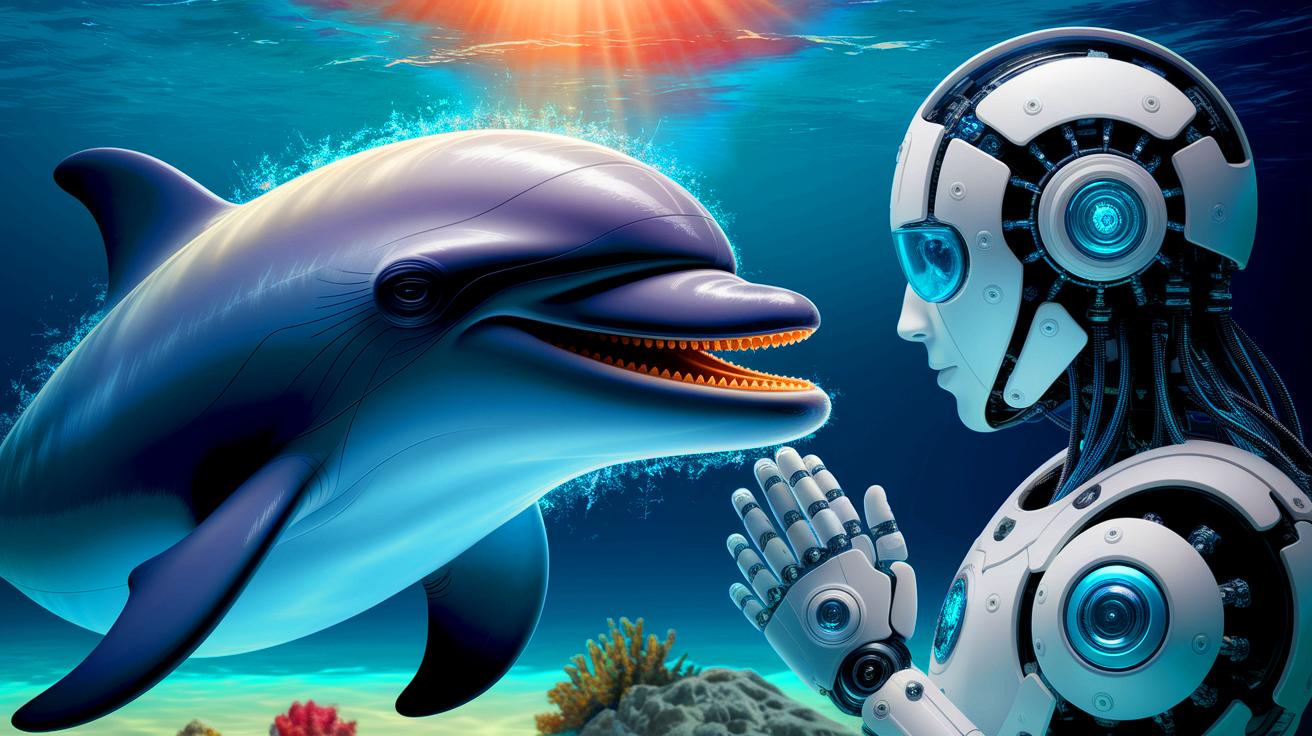 Source: sustainability-times.com
First up, a cautionary tale. Wired reports on an AI customer service chatbot for the code-editing company Cursor that “hallucinated” a new company policy. This highlights a persistent problem with AI: its capacity to confidently assert falsehoods. While AI can be incredibly helpful, this incident underscores the need for human oversight and careful validation of AI-generated information, especially when it directly impacts users.
On a more uplifting note, Sustainability Times highlights Google’s unveiling of “DolphinGemma,” an AI system aimed at enabling communication between humans and dolphins. This system uses the Cetacean Hearing Augmentation Telemetry (CHAT) system to mimic dolphin vocal behavior. The prospect of understanding and communicating with another species is genuinely exciting and represents a potentially revolutionary application of AI.
Finally, Ars Technica reports on Microsoft researchers’ development of a super-efficient AI model that uses up to 96% less energy. This is a significant step towards making AI more sustainable and accessible, as it could potentially reduce the need for energy-intensive supercomputers. MIT News also touches on improving AI accuracy with Making AI-generated code more accurate in any language.
In conclusion, today’s AI news is a mixed bag. We see both the potential pitfalls of unchecked AI and the exciting possibilities of AI pushing the boundaries of science and communication, while becoming more energy efficient. It’s clear that AI is rapidly evolving, and its impact on our lives will only continue to grow.