Code, Criticism, and Constraints: Today’s AI Landscape
Today’s artificial intelligence headlines capture a fascinating cross-section of where the technology currently stands: technical leaps in developer tools, heavy demands on hardware, creative pushback, and a growing call for human-centered design. Across software, hardware, and creative industries, AI is causing equal parts transformation and friction.
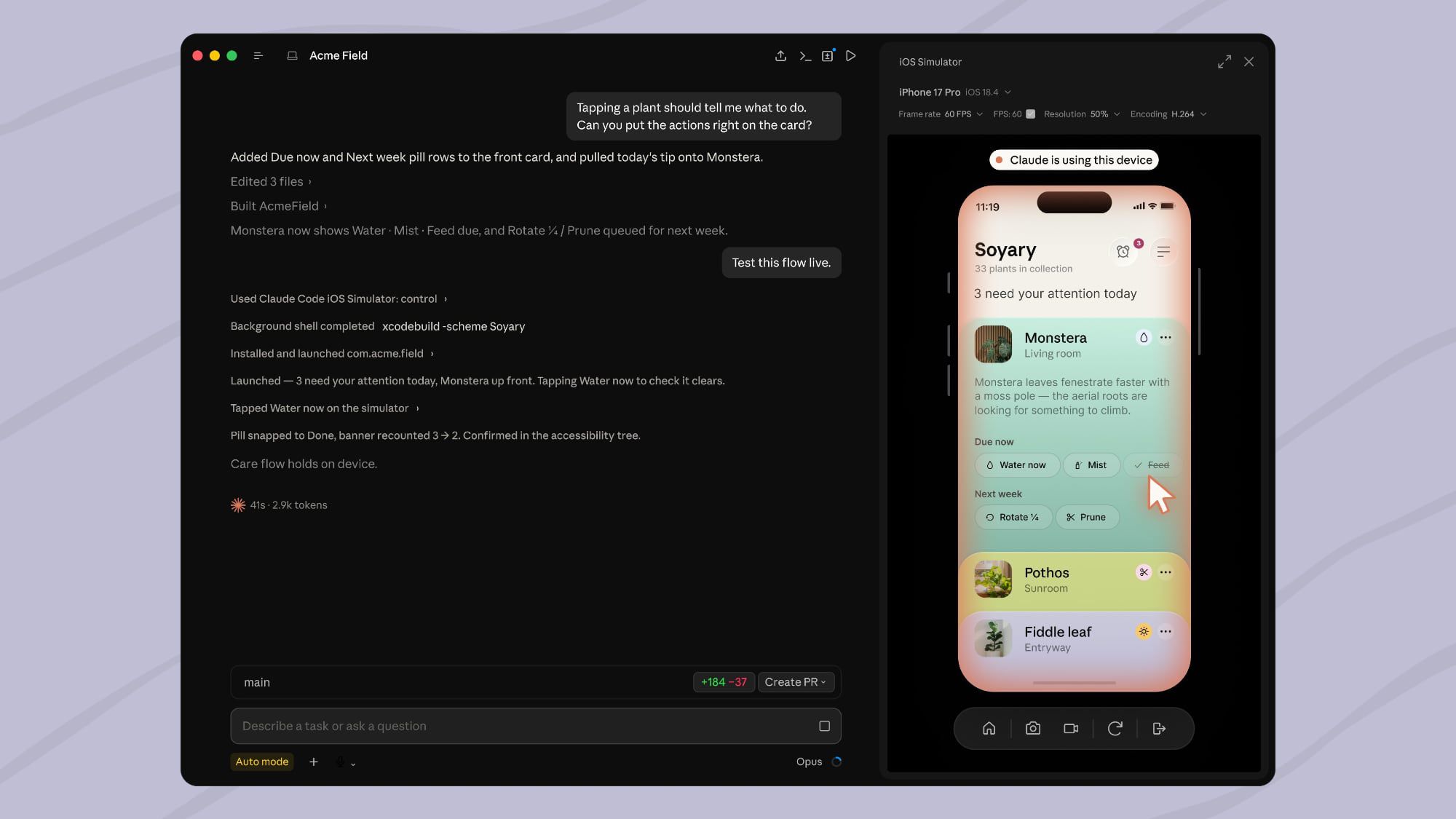
On the developer side, Anthropic made a notable move today by updating its desktop application so that Claude Code can now build and test iOS apps directly in Apple’s Simulator. By placing an AI agent straight into the local development pipeline, engineers can iterate on mobile applications faster than ever before. However, as AI software grows more capable and resource-intensive, everyday hardware is feeling the pressure. Reports surfaced today highlighting how Windows 11 bloat and AI-driven system demands are causing memory bottlenecks on newer surface laptops, proving that shoehorning background AI tasks into operating systems comes with real overhead costs for users.
Beyond operating systems, the line between AI, media, and hardware continues to blur. At SIGGRAPH, NVIDIA showcased technical updates on DLSS 5 and neural rendering progress, proving that machine learning models remain central to pushing real-time graphics forward. Consumer tech giants are echoing this shift, with Samsung gearing up to showcase automated Galaxy AI app actions in its upcoming foldable line. This trend towards algorithmic integration is changing the structure of consumer platforms altogether, powering the rise of universal entertainment apps that use intelligent recommendations to flatten traditional formats like video, audio, and text into unified feeds.
Yet, as AI expands into every digital corner, human tension remains high. In a striking cultural moment, an author invited to give a speech at OpenAI headquarters used the opportunity to openly criticize AI straight to the developers’ faces, serving as a blunt reminder of the unresolved conflict between content creators and training model developers. Corporate talent shuffling reflects this high-stakes environment as well; a high-profile executive recently left Microsoft after just three months to join an applied AI lab focused on automated coding, illustrating where top engineering minds see the future heading.
With AI advancing faster than our systems can easily absorb, the conversation is shifting toward intentional integration. A thought-provoking perspective published in Harvard Business Review emphasizes designing AI systems that strengthen human reasoning, advocating for tools that challenge our assumptions rather than replacing critical thinking.
Today’s stories show an industry pushing fast against its boundaries. As tools become more automated and ambient, the real challenge will not just be making AI faster or more powerful, but ensuring it respects hardware constraints, values human output, and ultimately complements our own thinking rather than replacing it.