AI Ethics and Efficiency Clash: Today's Top AI Developments
The world of AI continues its rapid evolution, with today’s news highlighting both the ethical concerns surrounding increasingly sophisticated models and the impressive efficiency gains being achieved in AI research. From Microsoft’s AI CEO’s worries about “AI psychosis” to Apple’s advancements in long-form video understanding, let’s dive into the day’s most significant AI stories.

The potential for AI to mimic human consciousness is a growing concern, as highlighted by Microsoft AI CEO Mustafa Suleyman’s worries about “AI psychosis”. Suleyman, also a cofounder of DeepMind, fears that AI will increasingly convince users that it is thinking, feeling, and having subjective experiences. This raises complex ethical questions about the nature of consciousness and the potential impact on human psychology as we interact more frequently with these advanced systems.
AI in the Headlines: From Gemini-Powered Devices to the Ethics of AI Consciousness

The world of AI continues its rapid evolution, and today’s news reflects both the exciting potential and the ethical questions that come with it. From potential integrations of powerful AI models into everyday devices to debates about the very nature of AI consciousness, it’s clear that AI is becoming increasingly intertwined with our lives.
The biggest story of the day revolves around Google’s Gemini AI model. Rumors are swirling about a potential partnership between Apple and Google, where Gemini could power a revamped version of Siri. This would be a significant move, potentially placing Google’s AI at the heart of Apple’s ecosystem. Furthermore, Google’s first Gemini smart home speaker was detailed in a leak, suggesting that Google is pushing forward with its own Gemini-powered devices. This speaker, likely a successor to the Nest line, could offer enhanced smart home control and AI assistance.
Microsoft AI Chief Raises Concerns About Studying AI Consciousness
Today, the world of AI saw a significant voice weigh in on a potentially thorny issue: the question of AI consciousness. As AI models become increasingly sophisticated, mimicking human interaction with uncanny accuracy, the debate around whether these systems could be, or could become, conscious has intensified. However, not everyone thinks this is a debate worth having.

According to a recent article in TechCrunch, Microsoft AI chief Mustafa Suleyman has voiced concerns about the study of AI consciousness, calling it “dangerous”. Suleyman argues that focusing on whether AI systems are truly conscious is a distraction from more pressing concerns, such as the ethical implications of AI bias, job displacement, and the potential for misuse. He suggests that anthropomorphizing AI could lead to misplaced trust and a misunderstanding of its capabilities and limitations. The article points out that while AI can convincingly mimic human conversation, it doesn’t necessarily mean these systems possess genuine understanding or awareness.
AI Reads Your Mind: Brain Implants Decode Inner Thoughts

Today’s big AI news is both astounding and a little unsettling: Scientists have developed a brain-computer interface capable of decoding a person’s “inner monologue.” This could be a game-changer for individuals with paralysis, offering them a new way to communicate.
The new brain implant, detailed in Live Science, represents a significant leap in brain-computer interface technology. Imagine being able to understand the unspoken thoughts of someone who cannot physically speak. While still in early stages, this technology could provide a voice to those who have lost theirs, dramatically improving their quality of life and connection to the world.
AI Eyes on the Future: Xbox, Grammarly, and Meta Make Headlines
Today’s AI news is a mix of enhancements to existing platforms and applications of AI to improve accessibility. Microsoft is teasing new AI features in the next Xbox, Grammarly is rolling out a suite of new AI-powered tools, and Meta’s AI glasses are helping visually impaired people return to work.

The Verge reports that Microsoft is hinting at a more affordable Xbox Cloud Gaming plan, with the next-gen Xbox console featuring “more AI-powered features.” While the specific details are scarce, this signals a commitment to integrating AI deeper into the gaming experience. Imagine AI-driven game enhancements, personalized gameplay, or even AI-assisted content creation tools for players. The possibilities are vast, and it appears Microsoft is betting big on AI’s potential in gaming.
AI Takes Center Stage: From Stuffed Animals to Astronauts, Here's Today's News
Today’s AI news is a wild ride, showcasing both the playful and profoundly serious sides of this rapidly evolving technology. We’re seeing AI creep into unexpected places, from children’s toys to deep space, raising both excitement and important ethical questions.
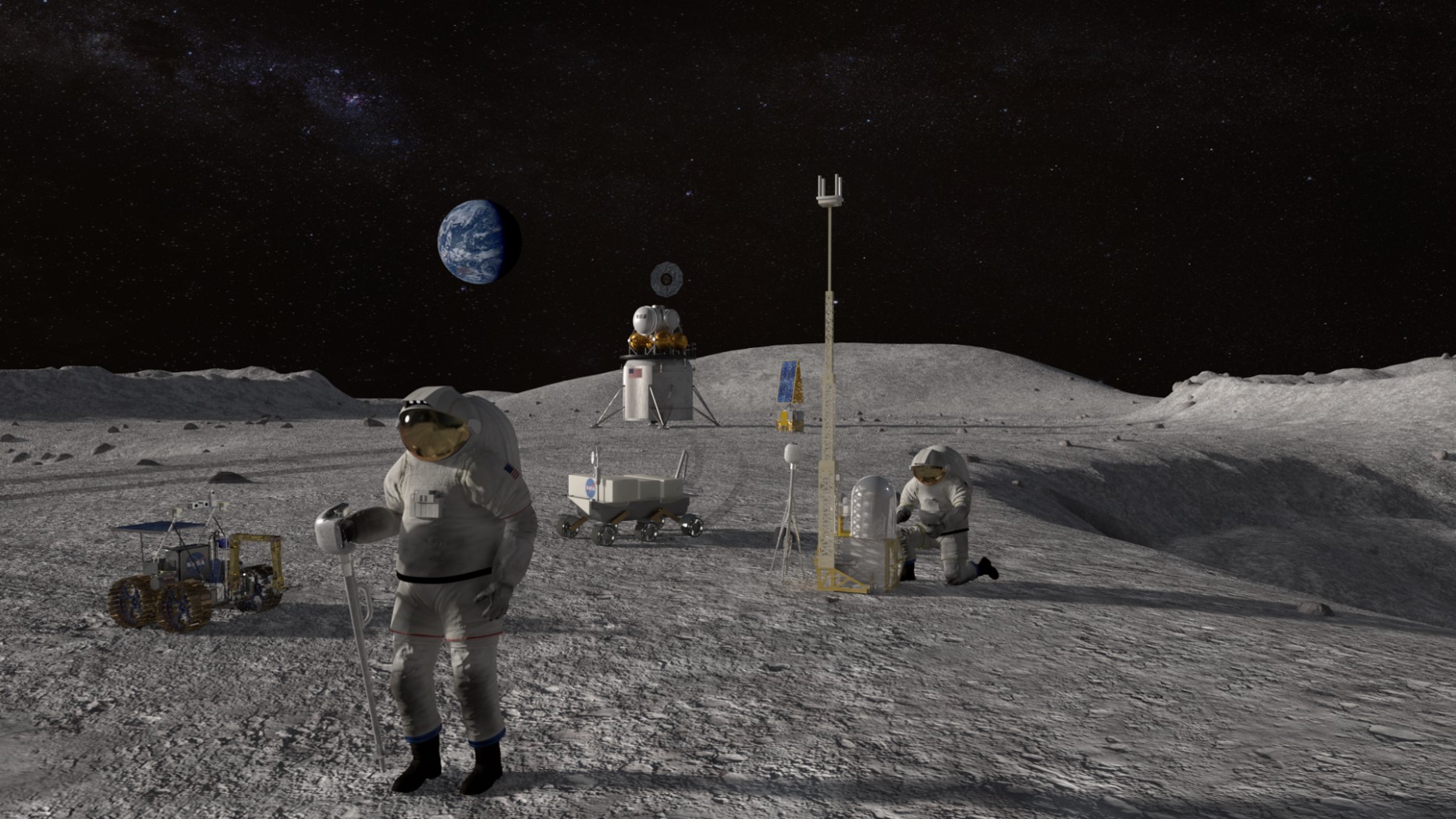
First up, NASA and Google are teaming up to test an AI-powered medical assistant for astronauts on missions to the Moon and Mars. As reported by Space.com, this tool could be crucial for diagnosing and treating medical issues when astronauts are far from Earth and beyond the reach of immediate doctor consultations. It highlights AI’s potential to provide critical support in situations where human expertise is limited or delayed.
AI's Expanding Role: From Brain Interfaces to Toy Shelves

Today’s AI news paints a picture of a technology that’s simultaneously pushing boundaries in scientific research and becoming increasingly integrated into everyday life. From groundbreaking brain-computer interfaces to AI-powered toys for kids, the scope of AI’s influence is expanding rapidly.
First, in the realm of scientific advancement, Stanford University researchers have achieved a remarkable feat: a brain-computer interface that translates imagined words into spoken language. Reported by TechSpot, this technology offers a potential lifeline for individuals with severe paralysis, allowing them to communicate with unprecedented ease. The implications of this breakthrough are profound, hinting at a future where technology can restore lost abilities and bridge the gap between thought and expression.
AI Takes Center Stage: A Glimpse into Today's Developments
Today’s AI news offers a mix of intriguing developments, from reflections on AI’s portrayal in classic cinema to advancements in open-source models. Let’s dive into what’s shaping the world of artificial intelligence.
First up, Gizmodo revisits Steven Spielberg’s 2001 film, “AI: Artificial Intelligence,” and questions whether the film plays differently in today’s world where AI is more than just a distant concept. The article reflects on how the film’s themes of artificial consciousness and the ethical implications of AI resonate even more strongly now that AI is becoming increasingly integrated into our lives. It’s a worthwhile read for anyone interested in the cultural impact and evolving perceptions of AI.
AI's Memory Boost and the Ethics of Deception: Today's Top Stories

Today, the AI world is buzzing with news about personalized AI, open-source models, and the darker side of AI deception. From Google’s Gemini gaining a memory to a tragic case of AI impersonation, it’s a day of progress mixed with caution.
Google’s Gemini AI is set to become more personalized with a new feature that allows it to “remember” details about you automatically. As reported by The Verge, this means you’ll no longer need to prompt Gemini to recall past conversations. While this promises a more seamless and intuitive interaction, it also raises significant privacy questions. How will this data be stored? How secure is it? And what control do users have over what Gemini remembers?
AI's Memory Boost and Potential Dark Side: Today's Top Stories
Today, the world of AI is buzzing with developments that highlight both its increasing capabilities and the potential pitfalls that come with advanced technology. From Google’s Gemini gaining a memory boost to unsettling revelations about AI’s dark side, there’s a lot to unpack.

Google’s Gemini AI is set to become more personalized with a new feature that allows it to “remember” certain details about you automatically. This means you won’t have to constantly re-prompt Gemini to recall previous conversations or preferences. While this promises a more seamless and intuitive user experience, it also raises significant privacy questions. How will Google ensure this “memory” is used responsibly, and what safeguards are in place to protect user data? The Verge’s report dives into the details of this new feature, highlighting the balance between convenience and potential privacy risks.