AI's Tricky Terrain: From Phishing Flaws to Conversational Assistants
Today’s AI news paints a picture of both rapid advancement and potential pitfalls. We’re seeing AI integrated into more of our daily tools, but also facing the challenges of ensuring these systems are secure and reliable. From Google Gemini’s security vulnerability to Amazon’s revamped Alexa, the AI landscape is certainly dynamic.

First, a concerning discovery: BleepingComputer reports that Google Gemini for Workspace has a flaw that can be exploited for phishing attacks. The AI’s email summarization feature can be manipulated to include malicious instructions or warnings, directing users to fake websites without using attachments or direct links. This highlights a critical issue: as AI becomes more integrated into our communication tools, the potential for sophisticated, AI-driven phishing scams increases. It’s a reminder that security must be a primary focus as we develop and deploy these powerful tools.
AI Advances in Health, Cracks in Security, and a New Alexa: Today's Headlines
Today in AI, we’re seeing movement on several fronts. From breakthroughs in using AI to predict health conditions to vulnerabilities being exposed in chatbot security, and Amazon’s latest AI-powered Alexa, it’s a day of diverse developments showcasing both the potential and the challenges of this rapidly evolving field.

One of the most promising developments is the news that a new Apple-backed AI model, trained using Apple Watch data, can now predict a range of health conditions with greater accuracy than traditional methods. This is significant because it suggests that AI can unlock insights from wearable devices that were previously hidden, potentially leading to earlier diagnoses and more personalized healthcare interventions. This could revolutionize preventative medicine, but also raises questions about data privacy and how this sensitive information is used. Read more about it on MacRumors.
AI Takes Center Stage: Browsers, Health, and Tricky Chatbots
From new AI-powered web browsers to models predicting health conditions, today’s AI news highlights both the rapid innovation and the potential pitfalls in this ever-evolving field. Let’s dive into the key developments shaping the AI landscape.
The biggest buzz today surrounds OpenAI’s potential launch of an AI-powered web browser. According to reports, this browser could come with built-in AI agents and direct access to ChatGPT. This move signals OpenAI’s ambition to integrate AI directly into our daily online experiences, potentially changing how we browse and interact with the web. Imagine a browser that not only fetches information but also actively assists in tasks, summarizes content, and even anticipates your needs. The implications for productivity and accessibility could be significant, though questions about data privacy and the role of human agency will undoubtedly arise.
AI Takes Center Stage: Google's Veo 3 Gets Smarter, and Samsung's AI Future Remains Murky
Today, the AI world is buzzing with updates from Google and Samsung. From advancements in video generation to questions about the future of AI features in our smartphones, it’s clear that AI continues to be a central focus for tech giants.

Google is pushing the boundaries of AI-driven video creation with the announcement that its Veo 3 AI video generator is gaining image-to-video capabilities. Integrated within the Gemini app, this feature lets users conjure videos from static images, opening up exciting possibilities for content creation and visual storytelling. This builds upon Google’s ambition to infuse AI across its ecosystem, also reflected in their move to bring Gemini to Wear OS watches, replacing Google Assistant and enhancing “Circle to Search” with AI Mode.
AI Takes Center Stage: OpenAI's Browser and ChatGPT's Hallucinations Turned Reality
Today, the world of AI is buzzing with activity, from OpenAI’s ambitious plans to reshape web browsing to a fascinating case of AI hallucination becoming reality. It’s a day that underscores both the potential and the quirks of this rapidly evolving technology.
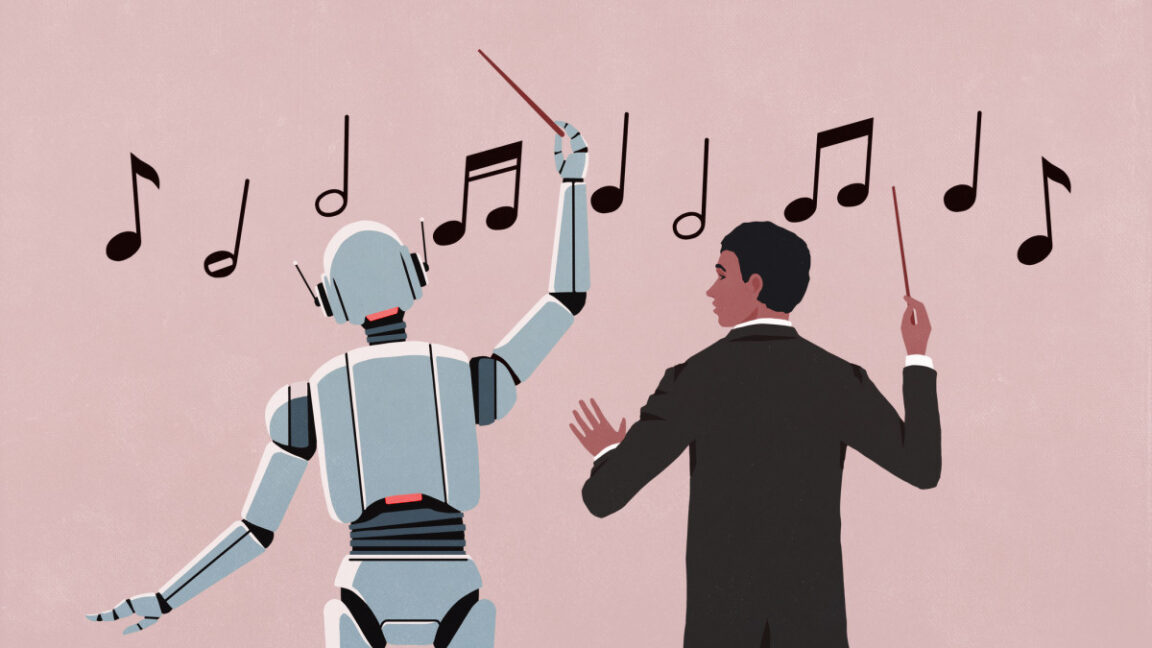
The big news is the reported upcoming release of an AI-powered web browser by OpenAI, as reported by TechCrunch. In what seems like a direct challenge to established players like Google Chrome, OpenAI’s browser promises to rethink how we interact with the web, potentially keeping more user interactions within the ChatGPT environment itself rather than linking out to external sites. This move suggests a vision where the AI acts as a primary interface, curating and summarizing information for the user, rather than simply providing links. It’s a bold step that could redefine the browsing experience, but also raises questions about the future of web traffic and the role of traditional websites.
AI Developments: From Desktop Supercomputers to AI-Powered Malware Threats
Today’s AI news paints a picture of both incredible progress and emerging challenges. We’re seeing AI power become more accessible, but also witnessing how malicious actors are finding new ways to exploit the technology.

First up, exciting news from the hardware front: NVIDIA’s DGX Spark, the “mini-supercomputer” designed to bring serious AI processing power to your desk, is reportedly launching this month. This could democratize access to AI development and experimentation, putting powerful tools in the hands of more researchers and developers. Imagine the possibilities when AI development isn’t limited to massive data centers!
AI in the Crosshairs: Emotional Backlash and Ethical Quandaries
Today’s AI news is a mixed bag, highlighting both the technology’s potential and the ethical minefields it presents. From controversial suggestions about using AI for emotional support to the ever-present discussions about job displacement, it’s clear AI is not just a technological marvel, but a social force to be reckoned with.

The most talked-about story today involves an Xbox producer who suggested that laid-off staff could use AI tools to cope with their emotions. As reported by the BBC, this suggestion, made in a now-deleted LinkedIn post, sparked considerable backlash. It raises a critical question: can, or should, AI be used as a substitute for human empathy and support during times of personal crisis? The controversy underscores the growing anxiety around AI’s role in the workplace and its potential to replace human interaction, even in sensitive areas like emotional well-being.
AI in Healthcare, Business, and Our Gadgets: A Daily Dose
Today, the AI world is making strides in healthcare, infiltrating business strategies, and becoming more integrated into our everyday devices. Let’s dive into how AI is shaping our world right now.
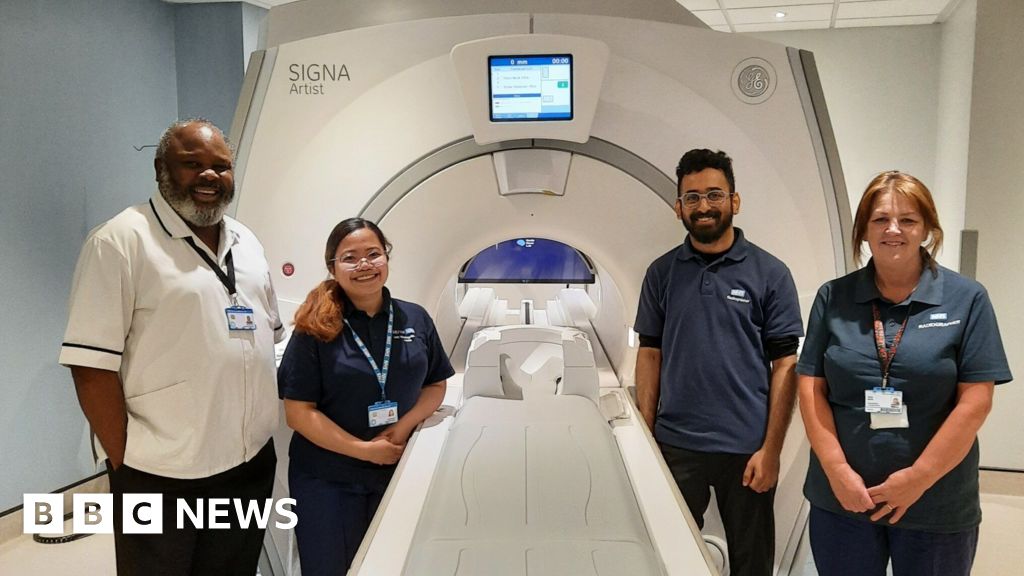
Starting with healthcare, BBC News reports that NHS hospitals in Hull are using AI to reduce MRI scan times. This is a significant development, as it allows them to scan more patients, addressing a critical need for quicker diagnosis and treatment. By using algorithms to help radiologists, the AI software is not replacing human expertise, but augmenting it to improve efficiency.
AI in Healthcare and NVIDIA's Desktop CPU Ambitions: Today's Top AI News
Today’s AI news highlights the increasing integration of AI in healthcare and a significant hardware development from NVIDIA that could reshape the desktop CPU market. From streamlining MRI scans to NVIDIA’s foray into desktop CPUs, AI continues to permeate various aspects of our lives.
The BBC reports that NHS hospitals in Hull are now using AI technology to accelerate MRI scan times. Hull University Teaching Hospitals NHS Trust reports that new software utilizing algorithms has helped reduce scan times, allowing them to see more patients. This is a concrete example of AI’s potential to improve healthcare efficiency and accessibility, reducing wait times and improving patient outcomes.
AI Update: Google Gemini Expands While Layoffs Prompt AI Emotion Management Advice

Today’s AI news showcases both the rapid advancement and integration of AI tools, as well as the sometimes unsettling implications of their use. Google continues to expand its AI offerings, while an ill-timed suggestion from an Xbox executive highlights the complexities of AI in the workplace.
Google is making moves to further integrate its Gemini AI model into everyday workflows. As reported by The Verge, Google’s customizable Gemini chatbots, known as “Gems,” are now directly accessible within Docs, Sheets, and Gmail. This allows users to leverage custom AI assistants without needing to switch between applications, streamlining tasks and potentially boosting productivity. Furthermore, TechCrunch reports that Google is rolling out its new Veo 3 video generation model to Gemini users in over 159 countries. This expansion brings advanced video creation capabilities to a wider audience, although it’s currently limited to paying subscribers.