Silicon and Sentience: The Desktop Becomes an AI Powerhouse
Today’s tech landscape feels crowded with incremental updates to gadgets and gaming roadmaps, but beneath the surface of the usual noise, the hardware foundation for the next decade of computing is being laid. While many are focused on cloud-based chatbots, the real shift is happening right on our desks, as the “AI PC” evolves from a marketing buzzword into a standard requirement for modern work.
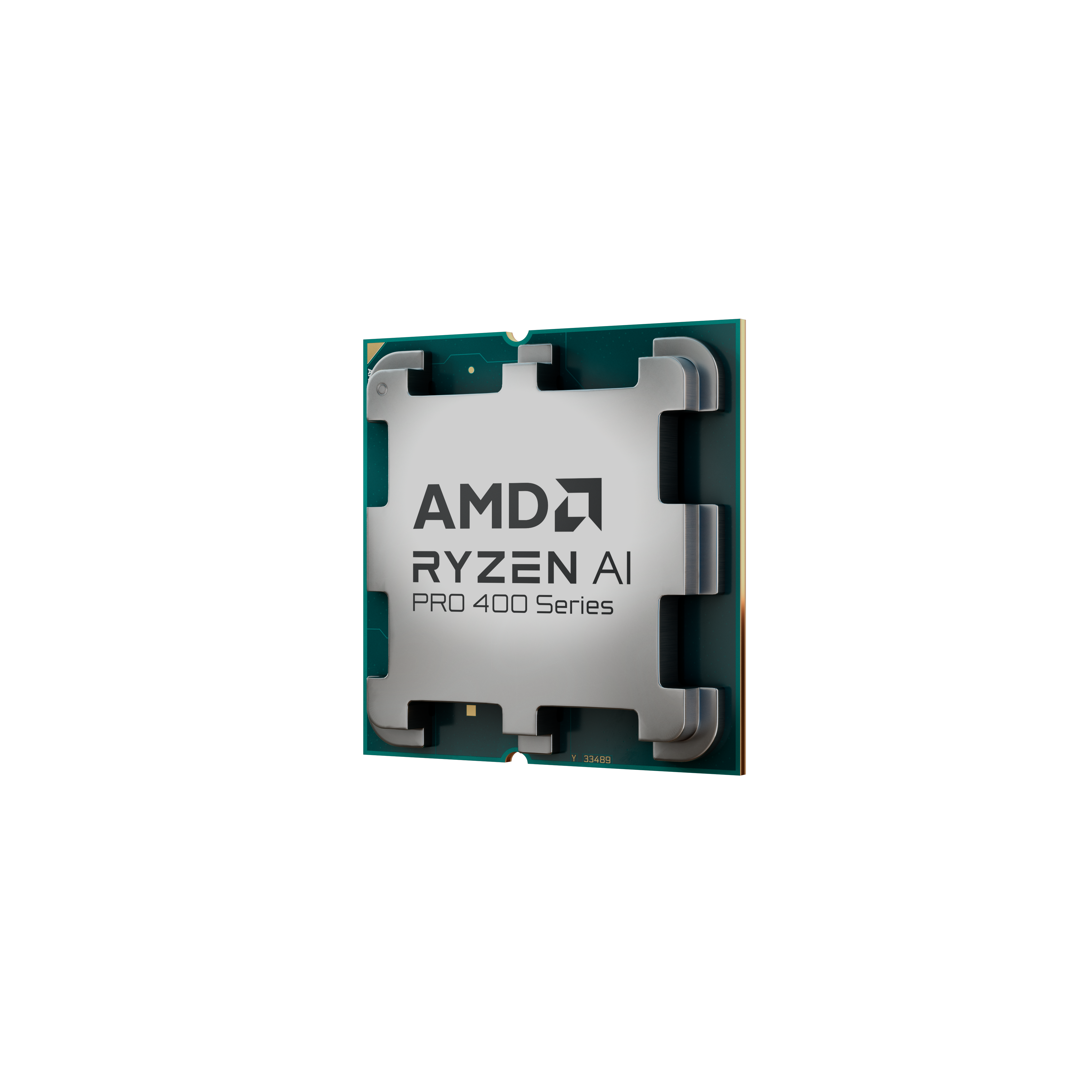
The most significant development today comes from AMD, which has aggressively expanded its Ryzen AI 400 Series portfolio. This isn’t just a simple refresh of consumer processors; it is a calculated move to bring high-performance Neural Processing Units (NPUs) to both everyday users and enterprise environments. By launching the world’s first desktop processors designed specifically for “next-gen” AI applications, AMD is signaling that the era of relying solely on the cloud for intelligent tasks is coming to an end.
This shift toward local AI processing is more than a technical curiosity. For the average user, it means privacy-centric tools that don’t need to send data to a remote server to function. For businesses, it represents a massive leap in efficiency, allowing for real-time data analysis and automated workflows that happen directly on the machine. AMD’s push into the PRO series suggests they are betting on a future where an AI-capable chip is just as essential for a corporate fleet as a stable internet connection.
What is particularly interesting about this expansion is how it forces the rest of the industry to respond. We are seeing a fundamental change in how we define a “fast” computer. It’s no longer just about clock speeds or how many browser tabs you can keep open; it’s about how many trillions of operations per second (TOPS) your processor can dedicate to running a local large language model or an image generator. As these chips find their way into more motherboards, the software developers will follow, creating a new ecosystem of tools that we likely haven’t even imagined yet.
In the grand scheme of things, today’s news reminds us that AI is moving out of the laboratory and off the server farm, settling directly into the silicon of our home offices. We are watching the birth of a new standard in computing, one where “intelligence” is a built-in feature of the hardware itself rather than a service we subscribe to. The transition might be quiet, but its impact on how we interact with our machines will be nothing short of revolutionary.