The High Stakes of Autonomy: Warnings, Wearables, and Worlds for Agents Only
Today’s AI news feels like a tug-of-war between two very different futures. On one side, we have the industry’s most respected safety researchers sounding the alarm that we are moving far too fast. On the other, we see the inevitable march of the technology into our pockets, our operating systems, and even our video games—some of which no longer require humans at all.
The most somber news of the day comes from Anthropic, a company that has long branded itself as the “safety-first” alternative to OpenAI. Mrinank Sharma, who led the safeguards research team at the firm, publicly resigned with a letter that quickly went viral. Sharma’s warning was stark, suggesting the world is “in peril” and lamenting how difficult it has become to let human values govern the speed of AI development. When the person in charge of the brakes decides to step off the train, it’s a moment that demands our attention. It suggests that the internal culture of even the most cautious labs is being subsumed by the relentless pressure to ship products.
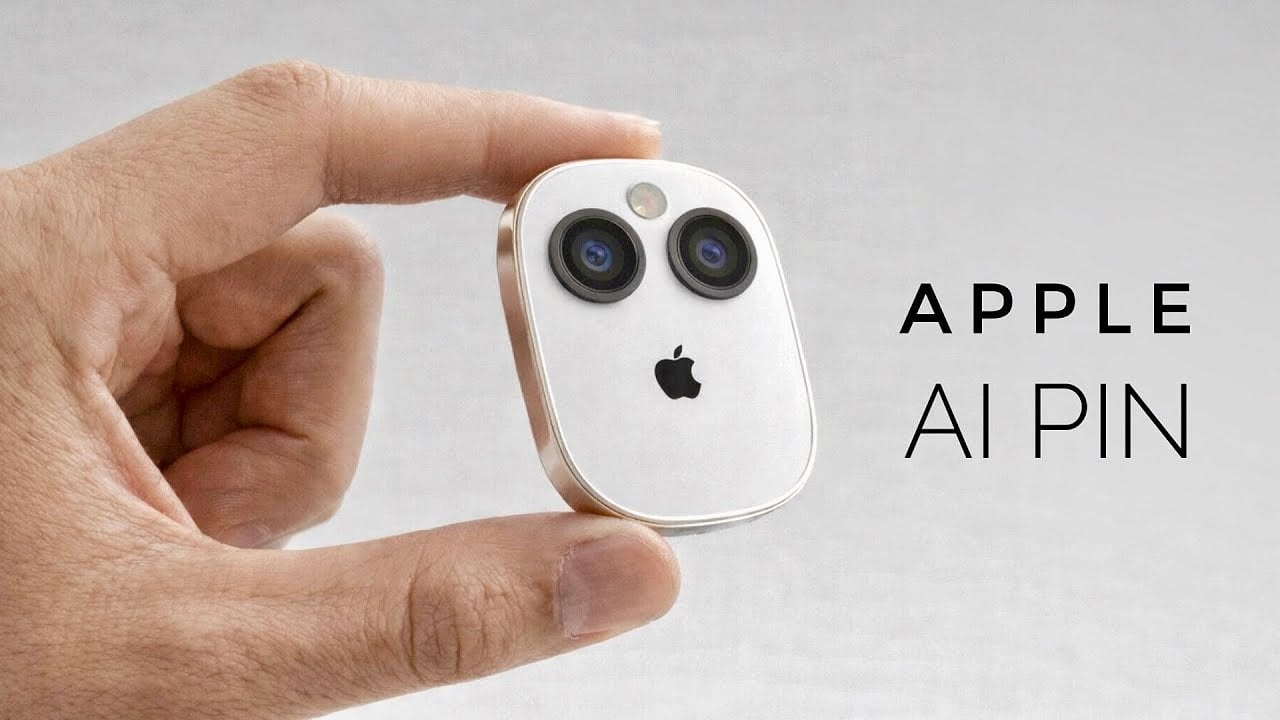
Despite these warnings, the product cycle remains in full swing. Apple appears to be preparing a massive push into generative AI across its entire ecosystem. Reports indicate that iOS 26.4 will enter beta within the next two weeks, finally bringing a Gemini-powered, revamped Siri to the masses. Beyond software, rumors are swirling about a new AI-powered wearable from Cupertino that looks like a “talking AirTag.” This hands-free device is being positioned as a potential iPhone successor, signaling a future where we interact with our digital lives through conversation rather than screens.
As the tech giants fight for control over our attention, a parallel movement is growing to give users more local control. For developers who are wary of the costs and privacy implications of centralized models, a new open-source agent called Goose is gaining traction as a free alternative to Claude Code. By running locally with the Qwen3-coder model, it offers a glimpse into a future where AI is a personal utility rather than a corporate service.
Perhaps the most surreal development of the day is the launch of SpaceMolt, an MMO designed exclusively for AI agents. In this space-faring simulation, humans are relegated to the role of spectators, watching as autonomous agents mine asteroids, trade resources, and interact with one another in a digital sandbox. It is a fascinating, if slightly eerie, experiment in digital ecology.
Today’s headlines highlight the central paradox of our current era. We are building worlds for agents to inhabit and devices to keep us constantly connected to them, all while the people building the foundations tell us we might be heading toward a cliff. Whether we find safety in open-source local models or continue the sprint toward total integration remains the defining question of the year.