The Personal Assistant Era and the Creative Divide: Inside Today’s AI Evolution
Today’s major AI developments highlight a fascinating contrast in how we integrate artificial intelligence into our lives. On one hand, tech giants are forging ahead to make AI deeply personal, context-aware, and woven into our daily routines. On the other, the creative industries continue to grapple with the friction and anxieties that arise when generative tools enter the production pipeline. From Apple’s massive Siri overhaul to controversies in the gaming world, the line between helpful utility and creative disruption is becoming increasingly thin.
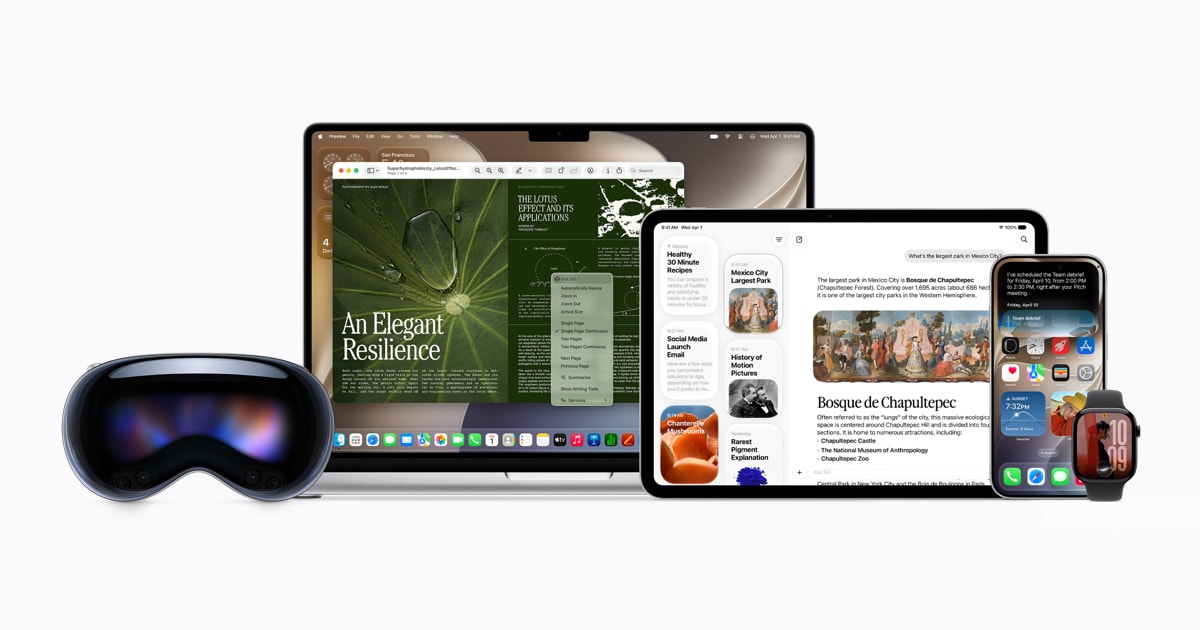
The biggest news of the day comes from Cupertino, where Apple has officially unveiled its next major leap in consumer technology: Siri AI. According to Apple’s official announcement, this new iteration of their virtual assistant is powered by “Apple Intelligence,” a system designed to give the assistant a deep understanding of your personal context, onscreen awareness, and broader world knowledge. Rather than just setting timers or answering basic web queries, the new Siri is built to understand what is happening on your screen and act on your behalf across various applications.
This transformation isn’t just a minor software update; it represents a fundamental redesign of how we interact with our devices. As noted in coverage by MacRumors regarding the iOS 27 preview at WWDC, this new Siri will feature its own dedicated application, serving as a centralized hub for Apple Intelligence features integrated throughout the entire operating system. By prioritizing on-device processing and personal context, Apple is attempting to solve one of the biggest hurdles of current generative AI: making the technology genuinely useful in a highly personalized, secure, and private manner. If Siri can successfully navigate your emails, messages, and calendar to execute complex tasks without compromising data privacy, it could set a new standard for consumer AI.
However, as AI becomes more integrated into everyday consumer tools, its role in the creative arts remains highly contentious. This tension was on full display following the announcement of Sega’s upcoming game, Crazy Taxi: World Tour. The game’s producer had to publicly address and clarify the team’s use of AI after fans raised concerns about the technology displacing human creators. As Game Informer reported, the controversy underscores a growing sensitivity among gamers and developers alike regarding the ethical boundaries of generative AI in asset creation, voice acting, and game design.
The contrast between these two stories is telling. When AI is positioned as a personalized assistant designed to reduce friction in our digital workflows, it is widely welcomed as progress. Yet, when that same technology enters creative spaces—where human expression, art, and voice have historically reigned supreme—it is met with immediate skepticism and pushback. Developers and publishers are finding that they must tread carefully, balancing the efficiency gains of machine learning with a respect for human craftsmanship and public perception.
Ultimately, today’s news reminds us that the success of AI will not just be measured by the sophistication of its algorithms, but by how we negotiate its boundaries. Whether we are welcoming a smarter, more intimate assistant into our pockets or demanding transparency from the creators of the media we consume, we are actively shaping the social contract of the AI era. As these tools become more capable of understanding our world, we must remain deliberate about the roles we want them to play.